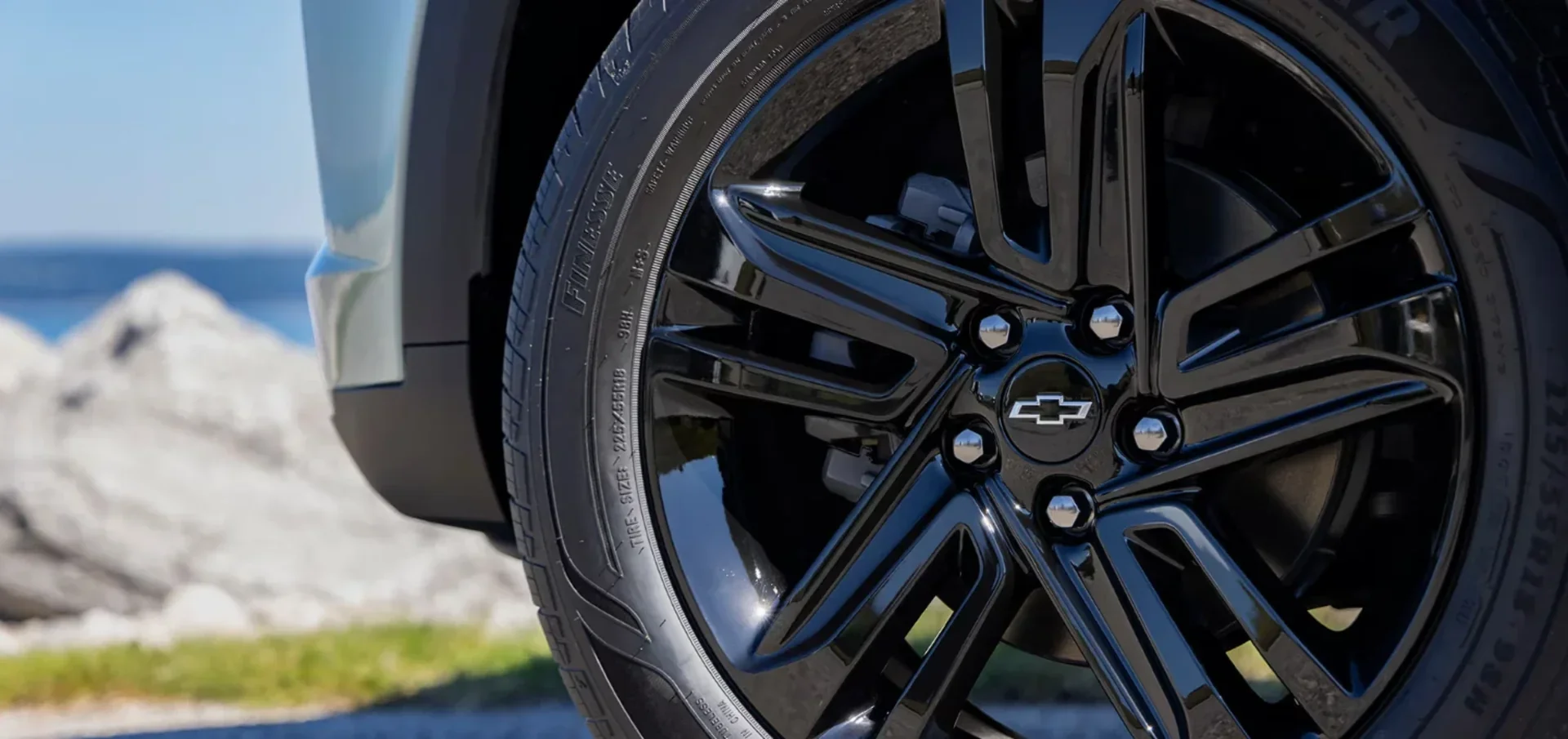





When it comes to maintaining your Chevy Silverado, knowing how to change a tire is an essential skill that every owner should possess. Whether you drive a Silverado 1500, 2500, 3500, or the heavy-duty Silverado HD, understanding the tire change process can save you time, money, and frustration when unexpected situations arise on the road. Flats can happen at any moment, and being equipped with the knowledge to handle such emergencies can give you peace of mind.
In this comprehensive step-by-step guide, we will walk you through the entire process of changing a tire on your Chevy Silverado, from gathering the necessary tools to safely stowing your flat tire and equipment afterward. Along the way, we’ll provide helpful tips and highlight the importance of maintaining your Chevy tires to ensure a smooth and safe ride.
At Huston Chevrolet in Avon Park, we’re committed to supporting you every step of the way. If you have any questions or need assistance with your Silverado, don’t hesitate to visit Huston Chevrolet or reach out to our knowledgeable Team. We’re here to help you get back on the road safely and efficiently! Let’s dive into the details of changing a tire on your Chevy Silverado.
Step 1: Finding a Safe Location
When you experience a flat tire, the first and most critical step is to find a safe location to stop your vehicle. Whether you're driving a Silverado 1500, 2500, 3500, or the robust Silverado HD, ensuring your safety should be your top priority. Here are some guidelines to help you find the best spot for a tire change.
Pull Over to a Safe Area: If you notice a flat tire while driving, gently steer your Chevy to the side of the road or into a nearby parking lot. Look for a flat, stable surface away from traffic where you can safely perform a Silverado tire change. Avoid stopping on hills or curves, as these locations can be dangerous due to limited visibility for passing drivers.
Turn on Your Hazard Lights: To alert other drivers of your situation, turn on your hazard lights as soon as you pull over. This simple action can significantly reduce the risk of accidents while you’re preparing to change a tire.
Avoid Busy Roads: If possible, steer clear of busy highways or streets with high-speed traffic. Instead, aim for a quieter area where you can focus on changing your tire without distractions or the looming threat of oncoming vehicles.
Ensure You Have Space: Once you've found a suitable location, make sure there’s enough room to work around your Chevy. You’ll need space to access the tools, maneuver your body around the vehicle, and safely position the jack. If you're driving a Silverado 2500, 3500, or HD, these models can be larger, so be sure to allow extra space.
Check for Level Ground: Before you begin to change a tire, confirm that the ground is level. A flat surface ensures that your truck remains stable while you use the jack to lift it. This is particularly important for the heavier Silverado models, as uneven ground can increase the risk of the truck tipping over while elevated.
Step 2: Engaging the Parking Brake
Once you’ve found a safe location to perform a tire change, the next crucial step is to engage the parking brake. This simple action plays a vital role in ensuring your safety and preventing your Chevy Silverado from rolling while you work. Whether you own a Silverado 1500, 2500, 3500, or the heavy-duty Silverado HD, properly engaging the parking brake is essential for a successful Silverado tire change. Here’s how to do it:
Locate the Parking Brake: In most Chevy Silverados, the parking brake is typically a lever or pedal located to the left of the driver’s seat. If you’re unsure of its location, refer to your owner’s manual for specific instructions. Understanding how to operate the parking brake is key to safely changing your tire.
Engage the Brake: To activate the parking brake, pull the lever upwards or press down on the pedal firmly, depending on your model. Engaging the brake will secure the rear wheels, providing stability as you work on your truck. This is particularly important when changing a tire, as the last thing you want is your vehicle to move unexpectedly while you're dealing with the Chevy spare tire.
Use Wheel Chocks for Extra Safety: While engaging the parking brake is critical, adding an extra layer of safety is always a good idea. If you have wheel chocks, place them behind the tires on the opposite side of the flat. This additional measure will further prevent your Silverado from rolling, especially if you’re on an incline or uneven surface.
Check Your Surroundings: Before proceeding, take a moment to ensure the area around your Silverado is clear. Confirm that you have enough space to maneuver and that the parking brake is holding the vehicle securely. This is particularly important when dealing with larger models like the Silverado 2500, 3500, or HD, which have greater weight and may require more force to remain stationary.
By properly engaging the parking brake, you set the stage for a safe and effective tire change. Taking this precaution ensures that you can focus on the task at hand—whether it's loosening lug nuts or retrieving your chevy spare tire—without the worry of your truck shifting unexpectedly. Remember, safety comes first when you need to repair a flat tire, so always double-check that the parking brake is fully engaged before moving on to the next steps in your tire-changing process.Step 3: Retrieving the Spare Tire and Tools
Now that you have engaged the parking brake and ensured a safe working environment, it’s time to retrieve the spare tire and the necessary tools for your Chevy Silverado tire change. Whether you drive a Silverado 1500, 2500, 3500, or the heavy-duty Silverado HD, being organized and prepared will streamline the process of repairing a flat tire. Here’s how to gather everything you need effectively:
Locate the Spare Tire: The spare tire is typically located beneath the bed of your Silverado. To access it, you’ll need to lower it using the tire tools that come with your truck. First, open the tool kit compartment, which is usually found under the rear seat or in a designated storage area. Make sure to have a good flashlight if you’re working in low-light conditions.
Lower the Spare Tire: To lower the spare tire, you’ll find an extension rod in your tool kit. Insert this rod into the hole near the rear bumper and turn it counterclockwise. As you do this, the spare tire will lower down from its storage position. Ensure you have enough space beneath the truck to retrieve it once it is fully lowered. This process is crucial for larger models like the Silverado 2500 and 3500, as the added weight may make it more challenging to manage.
Gather Your Tools: In addition to your Chevy spare tire, you’ll need a few essential tools to facilitate a smooth tire change. The basic tools you should collect include:
Jack: This is crucial for lifting your Silverado off the ground to replace the flat tire.
Lug Wrench: This tool is necessary for loosening and tightening the lug nuts on your tires.
Wheel Chocks: As previously mentioned, these provide extra stability and safety while you work.
Flathead Screwdriver (Optional): If your Silverado has hubcaps, a flathead screwdriver can help you carefully remove them before accessing the lug nuts.
Check the Condition of Your Spare Tire: Before proceeding with the tire change, inspect the condition of your Chevy spare tire. Make sure it is properly inflated and free from any visible damage. A reliable spare tire is crucial for your safety, especially if you’re driving a heavier model like the Silverado HD, which may require a tire that can support its weight.
Step 4: Loosening the Lug Nuts
Once you have retrieved your tools and spare tire, the next crucial step in the process of changing a tire on your Chevy Silverado is to loosen the lug nuts on the flat tire. This step is essential for safely removing the flat tire and installing your chevy spare tire. Whether you drive a Silverado 1500, 2500, 3500, or the heavy-duty Silverado HD, understanding how to loosen the lug nuts correctly will help ensure a smooth and efficient tire change. Here’s how to do it:
Identify the Lug Nuts: The lug nuts are the fasteners that hold the wheel onto the hub of your Silverado. They are usually located at the center of the wheel. Before loosening them, take a moment to locate and visually inspect them to ensure you are working on the correct tire.
Use the Lug Wrench: Grab your lug wrench, which is designed to fit snugly over the lug nuts. Most Chevy Silverado models come equipped with a standard four-way lug wrench, providing versatility for different sizes.
Loosen the Lug Nuts: Begin by placing the wrench over the first lug nut and turning it counterclockwise. You might need to apply a bit of force to break the nut free, especially if it’s been tightened significantly. If you find it challenging to loosen the lug nuts with your hands, you can use your body weight for leverage. Stepping on the handle of the wrench can help you apply the necessary force.
Follow a Pattern: To ensure that the tire is released evenly, it’s important to loosen the lug nuts in a specific order. Start with one lug nut and then move to the one opposite it, continuing in a star pattern until all lug nuts are loosened. This method helps to avoid warping the wheel or causing uneven stress on the brake components, which is especially critical for larger models like the Silverado 2500, 3500, and HD.
Do Not Remove the Nuts Yet: While it’s important to loosen all the lug nuts, you do not need to remove them entirely at this stage. Simply break them loose so that they can be easily unscrewed once the truck is lifted. This is a key step in preparing for the next phase of your Silverado tire change.
Step 5: Jacking Up the Truck
Now that you have successfully loosened the lug nuts on your flat tire, the next step in the process of changing a tire on your Chevy Silverado is to jack up the truck. This critical phase involves lifting your vehicle off the ground to allow for the removal of the flat tire and the installation of your chevy spare tire. Whether you own a Silverado 1500, 2500, 3500, or the robust Silverado HD, it’s important to use the jack safely and correctly to ensure stability during the repair process. Here’s how to do it:
Position the Jack: Begin by identifying the correct jacking point on your Silverado. This information can typically be found in your owner’s manual, but generally, the jacking points are located along the frame, just behind the front wheels and just in front of the rear wheels. Make sure to position the jack directly beneath the designated jacking point for stability.
Ensure the Ground is Level: Before you start jacking, make sure the surface beneath your Silverado is flat and solid. If you are on a sloped or uneven surface, it may be unsafe to lift the vehicle. If possible, try to move your Silverado to a flat area to minimize the risk of the truck rolling or tipping over during the tire change.
Raise the Truck: Once the jack is properly positioned, begin lifting the truck. If you are using a hydraulic jack, pump the handle to raise the vehicle until the flat tire is approximately 6 inches off the ground. For a scissor jack, turn the crank handle to lift the Silverado. Keep a close eye on the jack's stability during this process.
Double-Check Stability: Once the truck is lifted, gently shake the vehicle to ensure it’s securely in place. It’s crucial to ensure that the jack is not slipping and that the truck feels stable before proceeding with any further steps. This is particularly important for larger models like the Silverado 2500, 3500, and HD, as their weight can add extra stress on the jack.
Safety Precautions: To enhance your safety while working on the Silverado, consider placing wheel chocks behind or in front of the tires on the opposite side of the flat tire. This extra precaution helps prevent the truck from rolling while you’re working on it, providing added security as you prepare to remove the flat tire.
Step 6: Removing the Lug Nuts and Flat Tire
With your Chevy Silverado securely jacked up, you are now ready to remove the lug nuts and take off the flat tire. This step is essential in the tire-changing process, allowing you to replace the damaged chevy tires with your spare. Whether you drive a Silverado 1500, 2500, 3500, or the heavy-duty Silverado HD, following these steps will ensure a safe and efficient removal of the flat tire.
Fully Remove the Lug Nuts: Start by using the lug wrench to completely remove the lug nuts that you previously loosened. Since the vehicle is elevated, you can now take them off with ease. Carefully unscrew each lug nut, placing them in a safe location where they won’t roll away or get lost. A small container or your pocket can work well for this purpose.
Carefully Take Off the Flat Tire: Once all the lug nuts have been removed, it’s time to take off the flat tire. Grasp the tire with both hands, making sure to hold it securely. Pull the flat tire straight towards you to detach it from the wheel hub. If the tire seems stuck, give it a gentle twist or wiggle to help loosen it. Be cautious not to let the tire fall or roll away, especially since larger tires on the Silverado 2500, 3500, and HD models can be heavy.
Inspect the Flat Tire: Before setting the flat tire aside, take a moment to inspect it for any visible damage, such as punctures, cracks, or other issues that may have caused the flat. Understanding the reason for the flat tire can be beneficial, especially if you plan to repair it later. If the tire can be salvaged, a professional might be able to repair a flat tire, saving you money in the long run.
Prepare to Install the Chevy Spare Tire: With the flat tire removed, you can now prepare to install your chevy spare tire. Take a moment to ensure that the spare is in good condition, checking for any visible damage or low air pressure. It's essential that your spare tire is ready for use to ensure safety and functionality.
Store the Flat Tire: Once the flat tire is removed, place it securely in your truck bed or where it will not obstruct your workspace. If you have room, placing it upright can prevent it from rolling around as you continue the tire-changing process.
Step 7: Installing the Spare Tire
Now that you’ve removed the flat tire, it’s time to install your chevy spare tire. This crucial step is essential for completing the tire change on your Chevy Silverado, whether you drive a Silverado 1500, 2500, 3500, or the robust Silverado HD. Following the correct procedures ensures a secure fit and helps you get back on the road safely. Here’s how to effectively install the spare tire:
Align the Spare Tire with the Wheel Hub: Begin by taking your chevy spare tire and positioning it in front of the wheel hub. Make sure to align the holes in the spare tire with the lug bolts protruding from the hub. It may be helpful to hold the tire at an angle to get it into position before sliding it onto the hub. This alignment is crucial for a proper fit and ensures a smooth installation.
Slide the Spare Tire onto the Hub: Once you’ve aligned the spare tire with the wheel hub, carefully slide the tire onto the hub until it is fully seated. You should feel the tire fit snugly against the hub. If you encounter any resistance, double-check the alignment of the lug bolts to ensure they are properly positioned within the holes of the spare tire.
Hand-Tighten the Lug Nuts: After the spare tire is securely in place, it’s time to hand-tighten the lug nuts onto the bolts. Start by placing the lug nuts over the bolts, turning them clockwise. Make sure they are snug, but do not fully tighten them just yet. Hand-tightening helps to hold the tire in place as you prepare to lower the truck back to the ground.
Double-Check for Proper Installation: Before lowering your Silverado, take a moment to inspect the installation. Ensure that the spare tire is flush against the hub and that all lug nuts are seated properly. This step is important for the safety and stability of the tire once you start driving again.
Prepare for Lowering the Truck: With the spare tire in place and the lug nuts hand-tightened, you are ready to lower the truck back to the ground. Make sure that the jack is securely in place and that there are no obstructions around the vehicle. Once everything looks good, proceed to the next step of lowering the truck.
Step 8: Lowering the Truck
With the spare tire securely installed on your Chevy Silverado, it’s time to lower the truck back to the ground. This step is crucial for completing the tire change, ensuring that your chevy spare tire is properly seated and ready for safe driving. Whether you own a Silverado 1500, 2500, 3500, or the heavy-duty Silverado HD, following the correct procedure for lowering your vehicle will help ensure a smooth transition from the elevated position back to the ground.
Double-Check Your Surroundings: Before you begin lowering the truck, take a moment to check your surroundings. Make sure that there are no obstructions or people nearby that could be in danger when the vehicle is lowered. Safety is a priority during any silverado tire change.
Carefully Lower the Jack: Using the jack handle, slowly lower the Silverado by turning the handle counterclockwise. It’s important to do this gradually to prevent any sudden drops that could cause the spare tire to shift or the vehicle to become unstable. As the truck descends, keep an eye on the spare tire to ensure it remains properly aligned.
Monitor the Spare Tire: As the truck lowers, watch for any signs that the chevy spare tire is not seating correctly against the wheel hub. If you notice any misalignment, you may need to raise the truck again slightly and adjust the spare tire’s position. Ensuring the spare tire fits snugly against the hub is critical for your safety once you start driving.
Complete the Lowering Process: Once the truck is back on the ground and the spare tire is making contact, continue to lower it until the jack is fully released. After the jack has been removed, gently rock the vehicle side to side to ensure it is stable and that the spare tire has settled properly.
Check for Stability: After lowering the truck, perform a quick inspection of the spare tire and the surrounding area. Ensure that the chevy spare tire is securely mounted and that all tools and equipment used during the tire change are safely stowed away. This check will help you feel confident that your Silverado is ready for the road ahead.
Step 9: Tightening the Lug Nuts
After successfully lowering your Chevy Silverado back to the ground and ensuring that the spare tire is in place, it’s time to tighten the lug nuts. This final step in the tire change process is crucial for securing the chevy spare tire and ensuring that your vehicle is ready to hit the road safely. Whether you drive a Silverado 1500, 2500, 3500, or the robust Silverado HD, properly tightening the lug nuts will help you maintain control and stability while driving. Here’s how to do it effectively:
Use the Lug Wrench: Start by taking your lug wrench, which is typically included in your Chevy's tool kit. If you’ve misplaced yours, it’s a good idea to have a proper lug wrench on hand, as this tool is essential for securely fastening the lug nuts on your chevy tires.
Tighten in a Star Pattern: To ensure an even fit and avoid any wobbling or misalignment while driving, tighten the lug nuts in a star pattern. Begin with one lug nut and then move to the one directly across from it, continuing this pattern until all the lug nuts are tightened. This method helps distribute the pressure evenly and securely fastens the spare tire to the wheel hub.
Apply Sufficient Force: When tightening the lug nuts, make sure to apply enough force to secure them tightly. You may need to use your body weight by standing on the wrench handle or using both hands to ensure each lug nut is snug. Remember, properly tightening the lug nuts is critical for the safety and performance of your Silverado, particularly when you need to rely on your chevy spare tire.
Recheck Each Nut: After you’ve tightened all the lug nuts in the star pattern, it’s a good idea to go through and double-check each one. This final inspection ensures that no lug nut is loose and that all are adequately fastened. A quick recheck can save you from future issues while driving.
Final Inspection: Once you’re satisfied that the lug nuts are tightly secured, take a moment to visually inspect the spare tire. Ensure it’s properly seated against the hub and that there are no visible signs of damage or misalignment. A thorough check can help you catch any potential issues before you hit the road.
Step 10: Stowing Your Tools and Flat Tire
Now that you've successfully changed the tire on your Chevy Silverado and ensured that the spare tire is securely in place, it's time to stow your tools and the flat tire. This step may seem minor, but it's crucial for maintaining a tidy truck and ensuring that you’re fully prepared for future journeys. Whether you drive a Silverado 1500, 2500, 3500, or the heavy-duty Silverado HD, following these guidelines will help keep your vehicle organized and ready for any situation.
Gather Your Tools: Start by collecting all the tools you used during the tire change. This includes the jack, lug wrench, and any other items like a flathead screwdriver if you used it to remove the hubcap. Make sure you have everything accounted for before moving on to the next step.
Secure the Flat Tire: If you’ve just repaired a flat tire, you’ll want to store it in a designated area of your truck. In most Silverado models, there’s a compartment under the bed where the spare tire is typically stored. If the flat tire is still usable, placing it in this compartment can help keep your cargo area clear. If the flat tire is no longer in good condition, consider taking it to a tire shop for repair or disposal.
Return Tools to Their Designated Spots: Every Chevy Silverado is designed with specific storage areas for tools and spare tires. Be sure to return the jack and lug wrench to their designated spots, usually found under the rear seat or in the storage box. Properly stowing your tools not only prevents them from rattling around during your drive but also ensures you can easily find them if you need to change a tire again.
Double-Check Your Cargo Area: Once you've stowed your tools and flat tire, take a moment to check the cargo area of your Silverado. Ensure that everything is secured and that there are no loose items that could shift while driving. Keeping your truck organized contributes to a safer driving experience.
Final Inspection: After stowing everything, do a quick inspection of the spare tire to confirm it’s still properly inflated and secure. Regularly checking your chevy spare tire and tools will ensure you are always prepared for any unexpected situations on the road.
Step 11: Checking the Spare Tire Pressure
After successfully completing the silverado tire change and securing your chevy spare tire, it’s essential to check the tire pressure of your spare. Proper inflation is critical for ensuring that your vehicle performs safely and efficiently, particularly when you're driving on a spare. Whether you drive a Silverado 1500, 2500, 3500, or the heavy-duty Silverado HD, keeping your spare tire properly inflated is crucial for your peace of mind. Here’s how to effectively check the spare tire pressure:
Locate a Tire Pressure Gauge: To begin, you’ll need a tire pressure gauge, which is often included in your Silverado's tool kit or can be easily purchased from any auto parts store. This simple tool will allow you to measure the air pressure in your chevy tires, including the spare.
Remove the Valve Cap: Start by locating the valve stem on your spare tire, which is typically situated on the inner side of the tire. Carefully unscrew the valve cap and set it aside in a safe place to avoid losing it.
Check the Tire Pressure: Press the tire pressure gauge firmly onto the valve stem. You should hear a brief hissing sound as air escapes, which is normal. Hold the gauge in place for a second to get an accurate reading. The gauge will provide a measurement of the air pressure in PSI (pounds per square inch).
Refer to the Manufacturer's Guidelines: Each vehicle, including various Silverado models, has a recommended tire pressure range for both the regular tires and the spare tire. Check your owner’s manual or the sticker usually located on the driver’s side door jamb for the recommended PSI. Ensure that your chevy spare tire falls within this range.
Inflate if Necessary: If the pressure is below the recommended level, you’ll need to inflate the spare tire. You can do this at a nearby gas station or with a portable air compressor. Make sure to monitor the pressure while inflating, stopping once you reach the recommended PSI. Proper inflation is especially important if you’re using the spare for an extended period or planning to travel long distances.
Replace the Valve Cap: Once the spare tire is at the correct pressure, replace the valve cap securely. This helps keep dirt and moisture out of the valve stem, which can prevent potential air loss.
Regular Checks: It’s a good habit to regularly check the pressure of your chevy spare tire, even if you haven’t had to change a tire recently. Fluctuations in temperature can affect tire pressure, and ensuring your spare is always ready can save you time and trouble in case of a flat.
Common Questions About Changing Tires on a Silverado
Is Changing a Tire Hard?
Changing a tire is not hard, but it does require some basic knowledge and physical effort. Most people can successfully change a tire with a bit of practice and by following the right steps.Do I Need a Lot of Tools to Change a Tire?
You don’t need a lot of tools to change a tire; the essential tools include a jack, a lug wrench, and a spare tire. Many Chevy Silverados come equipped with these tools in a designated storage area for easy access.How Long Does It Take to Change a Tire?
Changing a tire typically takes about 30 minutes for someone who is familiar with the process. However, if you're doing it for the first time, it may take a bit longer as you get accustomed to the steps involved.Explore More with Huston Chevrolet!
As we conclude this guide on how to change a tire on your Chevy Silverado, we hope you feel more equipped to handle any flat tire situation confidently. Knowing how to change a tire is an essential skill for all drivers, especially for owners of robust trucks like the Silverado 1500, Silverado 2500, Silverado 3500, and Silverado HD.If you have any further questions or need assistance, don’t hesitate to reach out to us at Huston Chevrolet in Avon Park. Our knowledgeable team is ready to help you with any inquiries about your vehicle or to provide advice on best practices for vehicle maintenance.We invite our friends in Avon Park to explore our wide selection of vehicles, including the impressive Silverado lineup. While you're here, take a moment to check out our other resources, like the 7 EV Charging Stations in Avon Park, Florida, to keep your electric vehicle charged and ready for the road, or our insights on the Best Chevy Traverse Accessories for Outdoor Enthusiasts for your next adventure. You might also find our comparison of the Chevy Malibu vs. Toyota Camry: Which One Should You Choose? helpful in making your next vehicle decision.Contact or visit our website to continue exploring everything Huston Chevrolet has to offer!
Get Directions to Huston Chevrolet
Disclaimer: All information is provided for general informational and entertainment purposes only. While we strive for accuracy, we cannot guarantee that all content is complete, current, or error-free. Any reliance you place on such information is strictly at your own risk. This article may include opinions and is not endorsed by, or officially affiliated with, any vehicle manufacturer or brand. Always consult official sources – such as the vehicle’s owner’s manual, authorized dealerships, or certified professionals – for the most up-to-date and personalized information.