





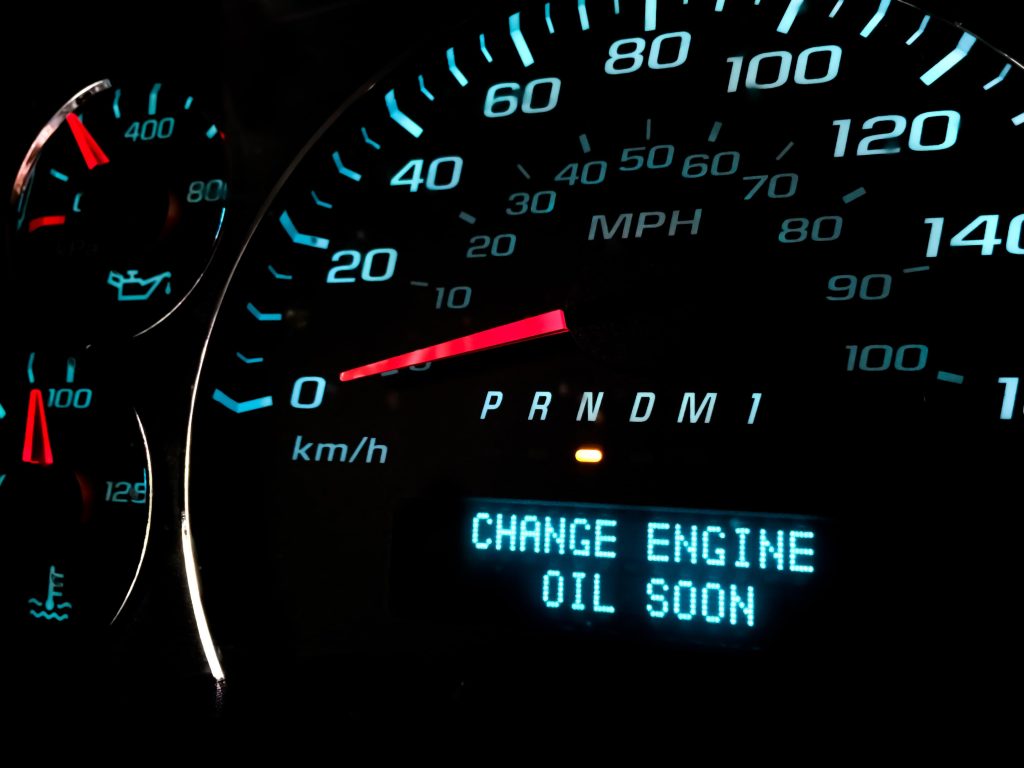
Keeping your 2025 Chevy Traverse running smoothly starts with one of the most important maintenance tasks—regular oil changes. Fresh oil keeps your engine clean, reduces wear, and ensures top performance on every drive. Whether you’re a seasoned DIYer or changing your oil for the first time, this step-by-step guide will walk you through the process with ease. If you’d rather leave it to the pros, Huston Chevrolet is here to help with expert service near Alpine, Maxcy Quarters, Sebring, and Frostproof. Read on to learn how to change the oil in your Traverse—or schedule an appointment with us today!
Choosing the Right Oil for Your Chevy Traverse
Using the correct oil is key to keeping your engine in top shape. The right oil helps your Traverse run smoothly, improves fuel efficiency, and extends engine life. If you want to handle a 2025 Chevy Traverse oil change at home, knowing what type of oil to use is the first step.
What Type of Oil Does the 2025 Traverse Need?
Chevy recommends full synthetic oil for the best engine performance. Synthetic oil lasts longer and protects better than conventional oil.
Here’s what to look for when choosing oil for your Traverse:
- Viscosity – The 2025 Chevy Traverse needs SAE 5W-30 oil. This grade works well in all temperatures.
- Certification – Look for oil with the API SN Plus or Dexos1 Gen 2 label. These meet GM’s quality standards.
- Brand – You can use AC Delco, Mobil 1, or another high-quality synthetic oil.
If you’re unsure which oil to buy, check your owner’s manual or ask a certified technician.
How Often Should You Change the Oil?
A Traverse oil replacement is needed about every 7,500 miles. If you drive in extreme conditions, you may need to change it sooner. This includes:
- Frequent stop-and-go driving
- Towing heavy loads
- Driving in extreme heat or cold
Regular oil changes help prevent buildup and engine wear. If you notice warning lights, unusual noises, or dark oil, it may be time for a change.
A change oil Chevy Traverse service at the right time can save you from costly repairs. Whether you do it yourself or visit a service center, keeping up with oil changes is one of the best ways to care for your vehicle.
Essential Tools and Supplies for a Traverse Oil Change
Having the right tools makes changing your oil quick and easy. Before starting, gather everything you need to complete the job safely. A well-prepared setup helps prevent spills, mistakes, and delays.
Tools You Need
A smooth 2025 Chevy Traverse oil change starts with the right tools. Make sure you have:
- Socket wrench – Used to remove the drain plug. A 15mm socket usually works.
- Oil filter wrench – Helps loosen and remove the old oil filter.
- Jack and jack stands – Lifts your Traverse for easier access. Ramps work too.
- Funnel – Prevents spills when adding new oil.
- Oil catch pan – Catches used oil to keep your workspace clean.
Supplies You Should Have
For a traverse oil replacement, you also need fresh oil and a new filter. Choose high-quality parts for the best results.
- Full synthetic 5W-30 oil – This is the recommended oil type for most models. Check your manual to confirm.
- New oil filter – Helps keep the engine clean by removing debris.
- Gloves and rags – Protects your hands and helps with cleanup.
- Drain plug washer – A fresh washer helps prevent leaks.
Once you have everything ready, you can change oil Chevy Traverse with confidence. Taking the time to prepare ensures a smooth and mess-free oil change.
Preparing Your 2025 Traverse for an Oil Change
Before starting a 2025 Chevy Traverse oil change, take a few steps to set up your workspace. A safe and clean area helps prevent mistakes.
1. Park and Secure Your Vehicle
Make sure your SUV is on level ground. This helps the oil drain evenly.
- Turn off the engine and let it cool for at least 10 minutes.
- Engage the parking brake to keep the vehicle from rolling.
- Place wheel chocks behind the rear tires for extra safety.
2. Lift the Vehicle Safely
You need space under the vehicle to reach the drain plug and filter.
- Use a jack and jack stands or drive onto ramps.
- Check that the vehicle is stable before working underneath.
- Never rely on a jack alone to hold up your Traverse.
3. Get Your Tools and Supplies Ready
A traverse oil replacement is easier when everything is within reach.
- Lay out your tools and supplies so you don’t have to search mid-task.
- Wear gloves to keep your hands clean and prevent burns.
- Place an oil catch pan under the drain plug before loosening it.
With these steps complete, you’re ready to change oil Chevy Traverse and keep your engine running strong. Proper setup makes the job smoother and safer.
Draining the Old Oil from Your Chevy Traverse
Removing the old oil is a key step in any 2025 Chevy Traverse oil change. Draining it fully helps keep the engine clean and running well.
1. Position the Oil Catch Pan
Before loosening the drain plug, make sure you’re ready to catch the oil.
- Slide the catch pan under the drain plug to avoid spills.
- Adjust the pan’s position so it catches all the oil as it drains.
- Wear gloves to keep oil off your hands.
2. Remove the Drain Plug
Loosening the plug lets the old oil flow out.
- Use a wrench to turn the drain plug counterclockwise.
- Hold onto the plug as you remove it to prevent dropping it into the oil.
- Let the oil drain fully before moving to the next step.
3. Check the Drain Plug and Washer
A worn-out plug or washer can cause leaks after a traverse oil replacement.
- Inspect the plug for cracks or damage.
- Replace the washer if it looks worn or flattened.
- Wipe the area clean before reinstalling the plug.
Once the old oil is out, you’re ready to change oil Chevy Traverse and move on to the next step. Taking your time ensures a smooth and mess-free process.
Replacing the Oil Filter for Optimal Performance
A clean oil filter helps keep your engine free of dirt and debris. During a 2025 Chevy Traverse oil change, replacing the filter is just as important as changing the oil.
1. Remove the Old Filter
The oil filter traps dirt, but over time, it clogs and needs to be replaced.
- Locate the oil filter near the engine’s bottom.
- Use an oil filter wrench to loosen it by turning counterclockwise.
- Let extra oil drain before fully removing the filter.
2. Prepare the New Filter
Before installing the new filter, take a moment to prep it.
- Check that the old gasket is not stuck to the engine.
- Rub a small amount of fresh oil around the rubber gasket on the new filter.
- Make sure the new filter matches the correct size and type for your vehicle.
3. Install the New Filter
A secure but not overly tight fit prevents leaks and ensures smooth performance after a traverse oil replacement.
- Screw the new filter in place by hand until snug.
- Tighten it slightly more with a wrench, but do not overdo it.
- Wipe away any excess oil around the filter area.
Once the filter is in place, you’re ready to change oil Chevy Traverse by adding fresh oil. Taking the time to do this step right helps protect your engine and improve performance.
Refilling Your Engine with Fresh Oil
Now that the old oil is drained and the new filter is in place, it’s time to add fresh oil. The right oil keeps your engine running smoothly and prevents wear over time.
1. Choose the Right Oil
Using the correct oil is key to a smooth 2025 Chevy Traverse oil change.
- Check your owner’s manual for the recommended oil type.
- Most Traverse models use full synthetic 5W-30 oil for the best performance.
- Have at least six quarts ready to ensure a full refill.
2. Pour in the New Oil
Take your time when adding oil to prevent spills and overfilling.
- Remove the oil cap from the top of the engine.
- Place a funnel in the opening to avoid messes.
- Pour in the oil slowly, stopping to check the level.
3. Check the Oil Level
A proper traverse oil replacement includes making sure the oil level is just right.
- Use the dipstick to check the oil level after filling.
- Add more oil if needed, but do not overfill.
- Replace the oil cap securely once the level is correct.
After you change oil Chevy Traverse, start the engine and let it run for a few minutes. This helps the oil circulate and ensures everything is working as it should.
Where is the oil filter located on a 2025 Chevy Traverse?
The oil filter is located near the bottom of the engine, close to the oil pan. It may be accessed from underneath the vehicle.
Should I replace the drain plug gasket each time I change the oil?
Yes, it is recommended to replace the drain plug gasket with each traverse oil replacement to prevent leaks and ensure a tight seal.
How do I reset the Traverse’s oil life system after an oil change?
Turn the ignition to the “ON” position without starting the engine.
Press the “Menu” button on the steering wheel until “Oil Life” appears on the display.
Hold the “Set/Reset” button until the oil life resets to 100%.
Expert Oil Changes & Chevy Service Near Alpine & Sebring
Regular oil changes keep your vehicle running smoothly and help prevent costly repairs. Whether you prefer to handle maintenance yourself or leave it to the pros, keeping up with service is key. If you have questions or need assistance, the team at Huston Chevrolet is here to help.
Drivers in Alpine, Maxcy Quarters, Sebring, and Frostproof can rely on us for expert service and a great selection of vehicles. From powerful trucks to family-friendly SUVs, we have something for everyone—including the Chevy Traverse. Visit our dealership to explore our inventory and find the perfect vehicle for your needs.
Keeping your vehicle in top shape involves more than just oil changes. Learn how to adjust your mirrors for the best visibility, fold and adjust your seats for extra space, or use remote start for added convenience. If your vehicle is due for service, you can schedule an appointment with our team today.
Get Directions to Huston Chevrolet
Disclaimer: All information is provided for general informational and entertainment purposes only. While we strive for accuracy, we cannot guarantee that all content is complete, current, or error-free. Any reliance you place on such information is strictly at your own risk. This article may include opinions and is not endorsed by, or officially affiliated with, any vehicle manufacturer or brand. Always consult official sources – such as the vehicle’s owner’s manual, authorized dealerships, or certified professionals – for the most up-to-date and personalized information.
Connect with us


- October 2025
- September 2025
- August 2025
- July 2025
- June 2025
- May 2025
- March 2025
- February 2025
- January 2025
- December 2024
- November 2024
- October 2024
- September 2024
- August 2024
- July 2024
- June 2024
- May 2024
- April 2024
- March 2024
- February 2024
- January 2024
- December 2023
- November 2023
- October 2023
- September 2023
- August 2023
- July 2023
- June 2023
- April 2023
- March 2023
- January 2023
- November 2022
- September 2022
- August 2022
- July 2022
- May 2022
- April 2022
- March 2022
- January 2022
- December 2021
- August 2021
- July 2021
- June 2021
- May 2021